How 12 Strangers Built a French Straw Bale Home in 3 weeks
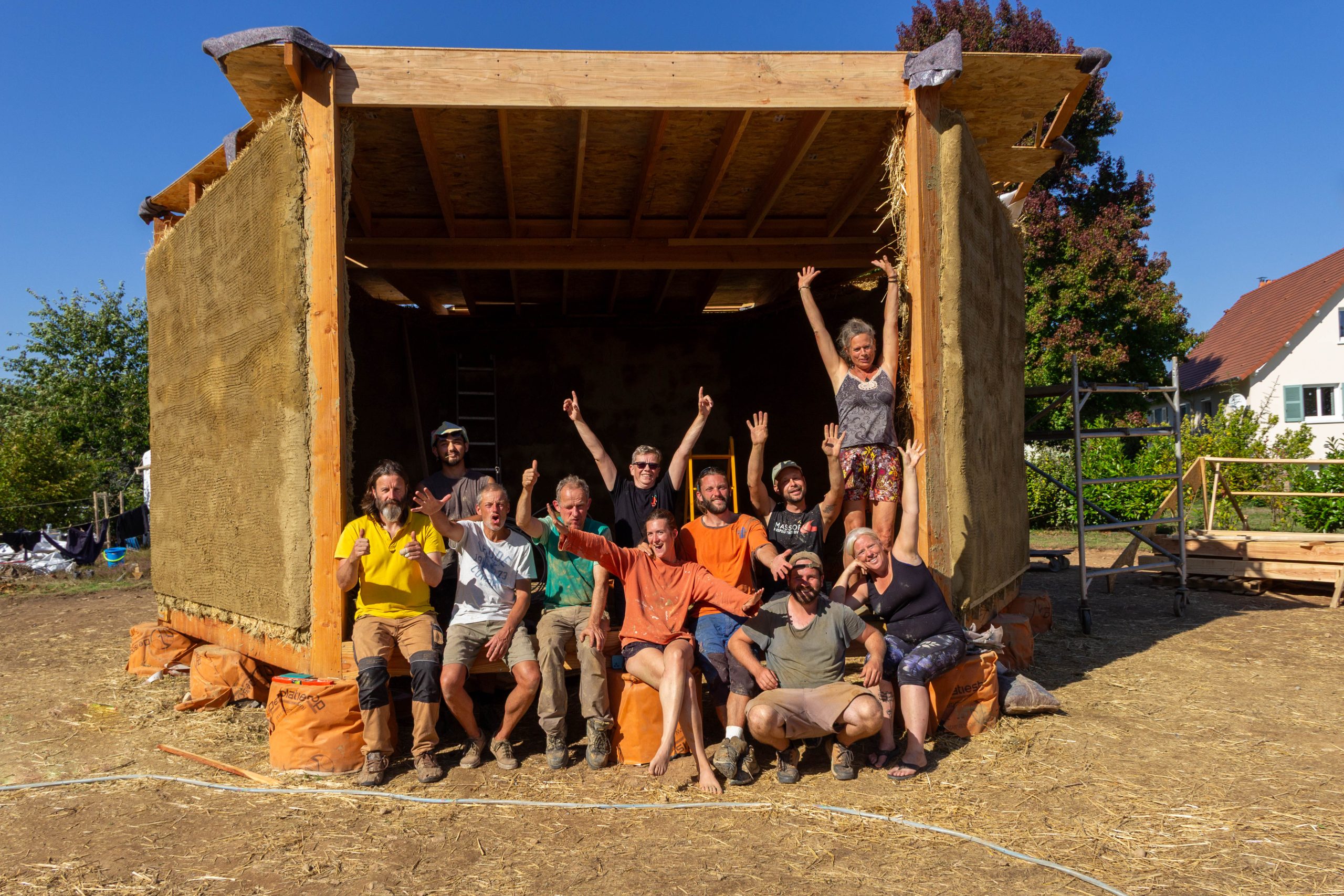
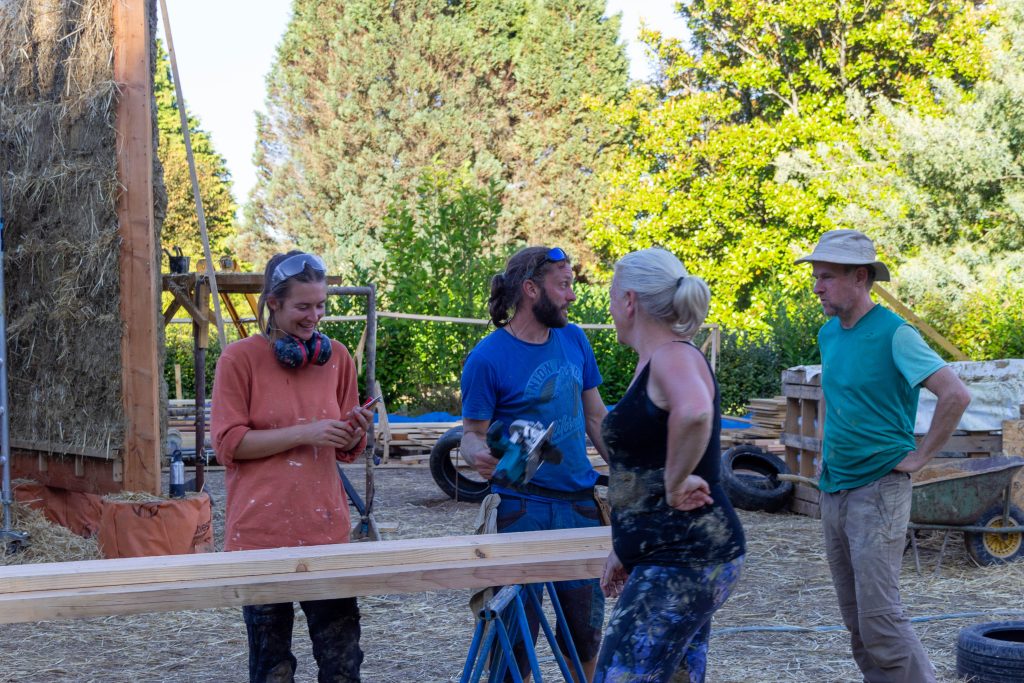
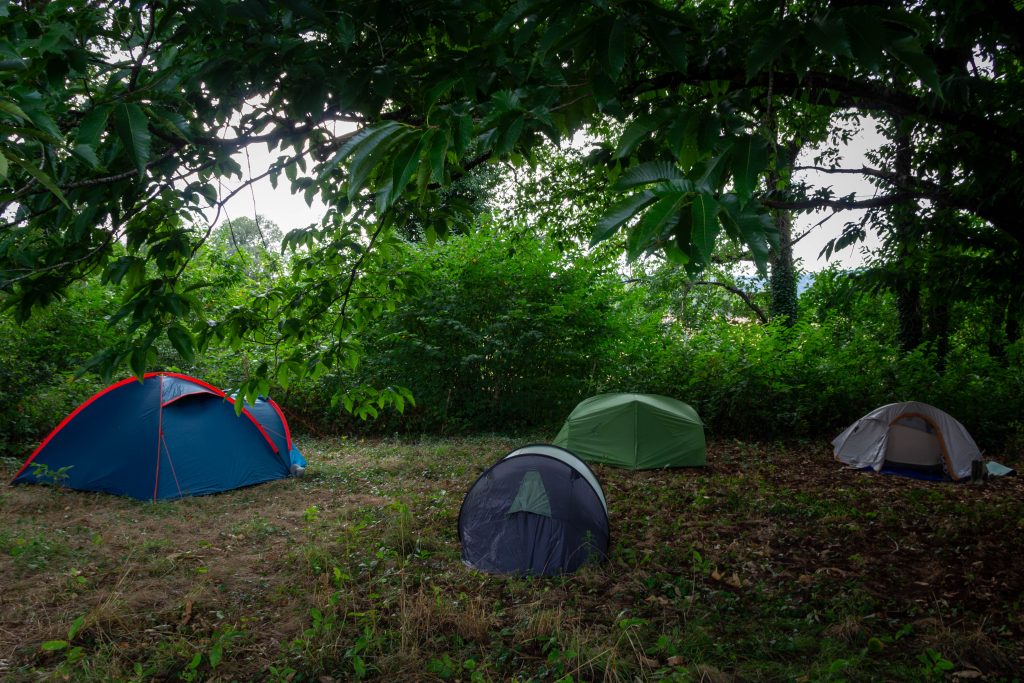
Imagine arriving in the countryside of France as a complete stranger and leaving three weeks later as part of a community that just finished building a sustainable home. It sounds like a dream, but for 12 motivated individuals, it became a dusty, muddy, and incredibly rewarding reality.
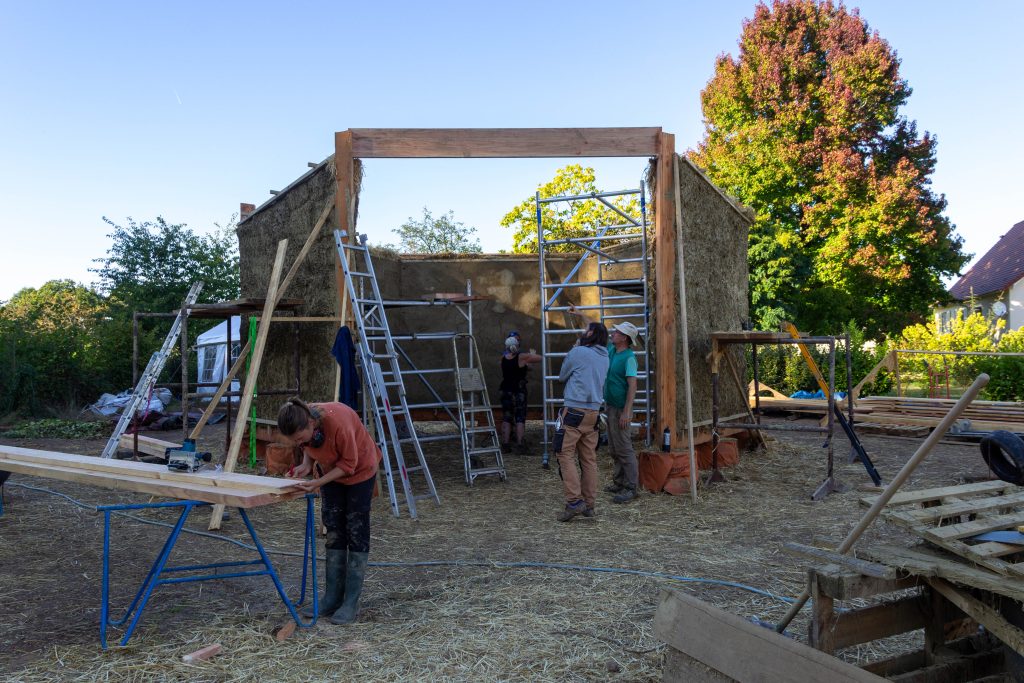
Building a house usually takes months or years of professional labor. But by using straw bale construction and an unique architectural philosophy, this group proved that natural building is accessible to almost anyone.
The Philosophy: The Flexagon Building
At the heart of this project is the Flexagon philosophy. Instead of rigid, traditional blueprints, Flexagon focuses on modularity and adaptability. It’s designed to be intuitive, allowing people with zero construction experience to pick up a tool and contribute meaningfully within hours. This approach prioritizes human connection and sustainable materials over heavy machinery.
Why Straw Bales?
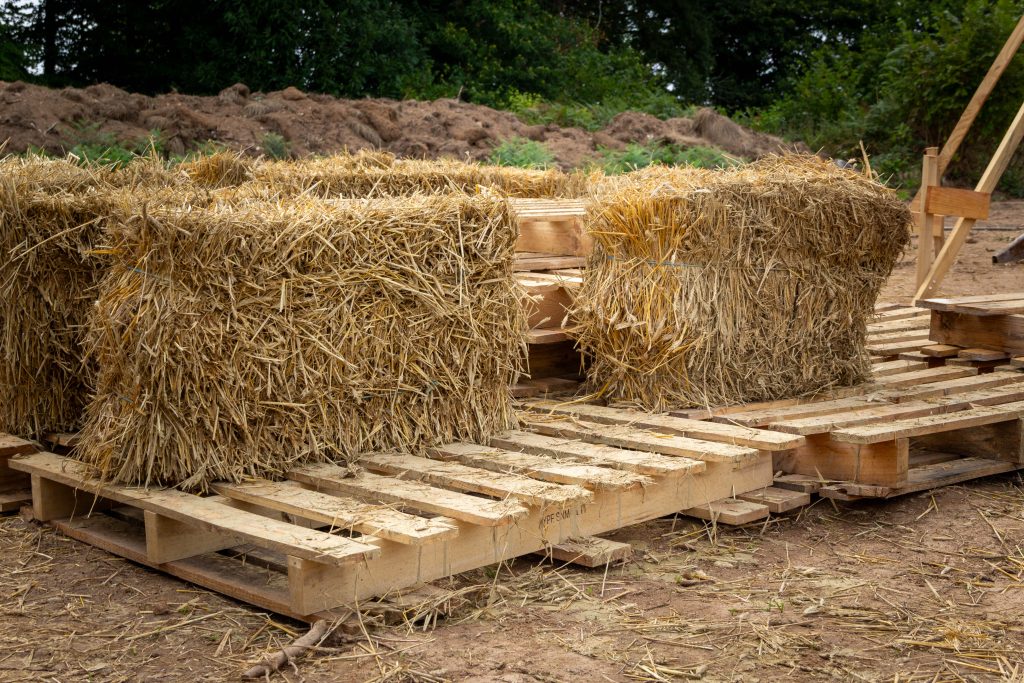
Why would anyone choose “The Three Little Pigs”‘ least favorite material? Because modern straw bale construction is actually a high-performance building method.
Insulation: It offers incredible R-values, keeping the home warm in winter and cool in the French summer.
Carbon Sequestration: Straw is an agricultural byproduct that locks away carbon.
Breathability: Unlike plastic-wrapped modern homes, straw and lime/clay walls allow moisture to move, creating superior indoor air quality.
How Much Does It Cost?
One of the most compelling parts of this story is the budget. By using local, raw materials and a volunteer/workshop labor model, the costs are significantly lower than conventional builds. However, as the project reveals, the real “currency” here is time and community. You trade a massive mortgage for shared meals, hard physical work, and collective learning.
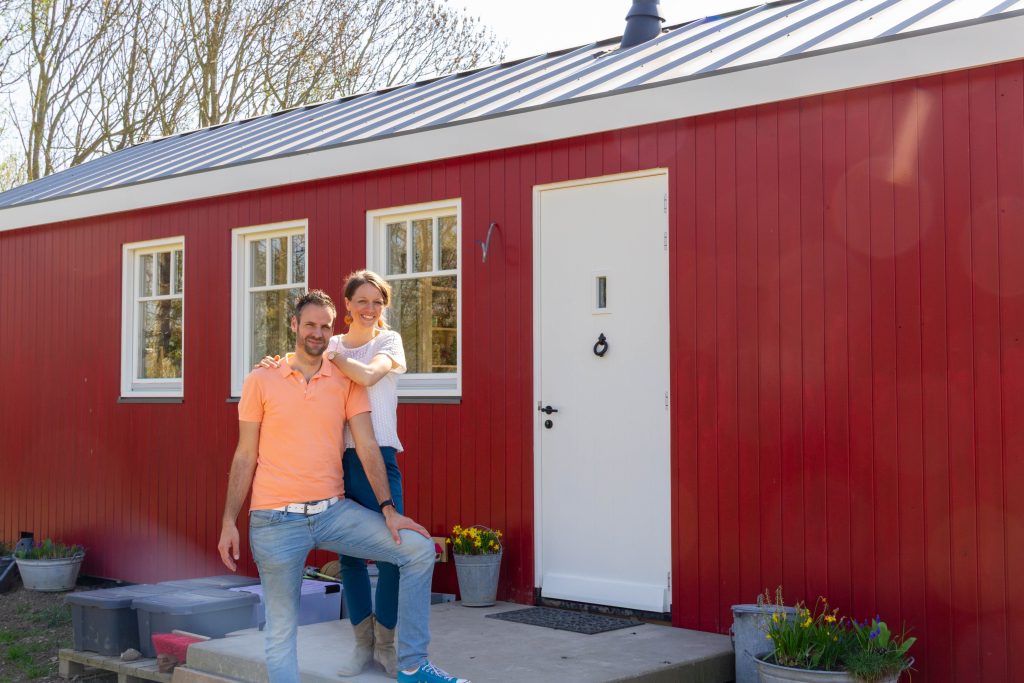
But building one flexion, only costs €6.000,-.
The Build Process: Step-by-Step
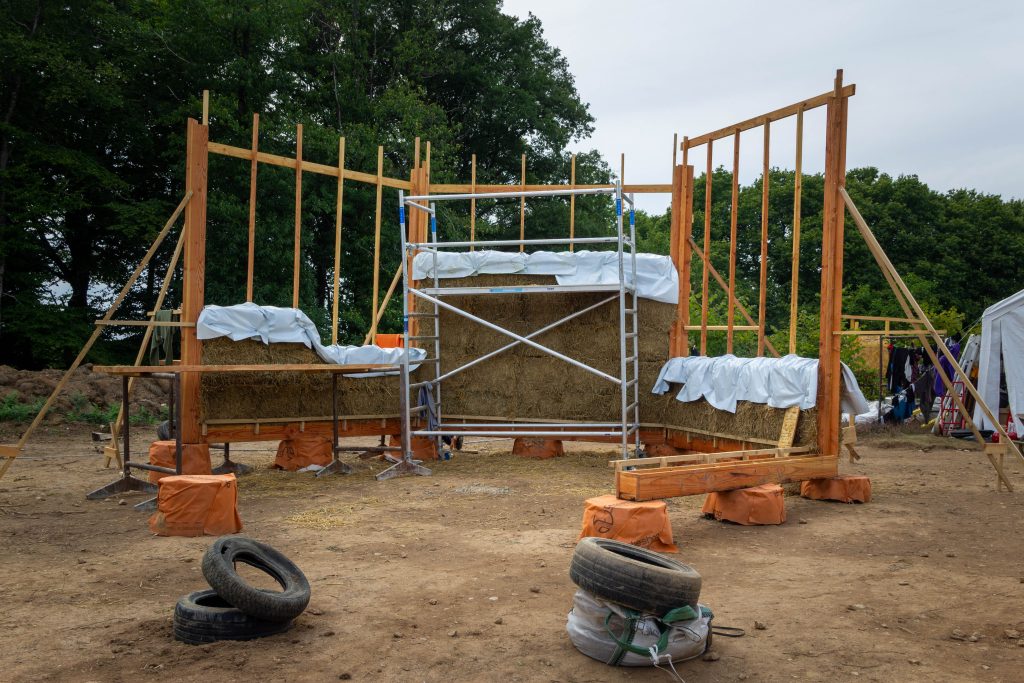
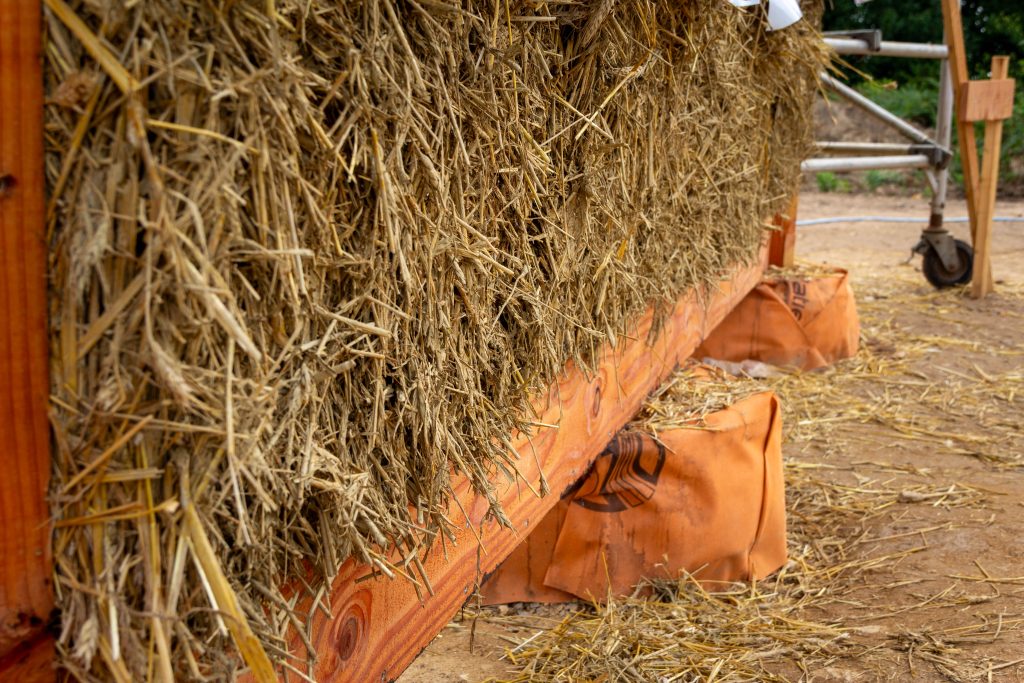
1. The Foundation (04:12 – 06:30) Forget massive slabs of concrete. The team utilized a foundation designed to minimize environmental impact while providing a sturdy, level base for the timber frame to sit on.
2. The “French Dip” Technique (06:30 – 08:48) This is where it gets interesting! The “French Dip” involves dipping the edges of the straw bales into a clay slip before stacking them. This creates a mechanical bond between the bales and the timber frame, providing better fire resistance and a flatter surface for the final plaster.
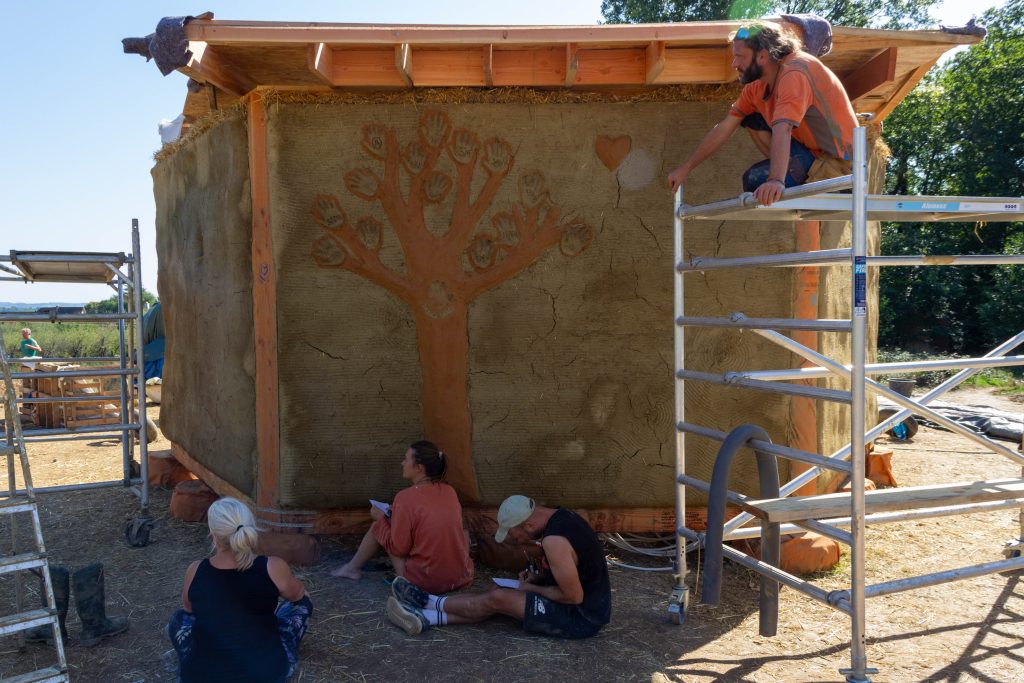
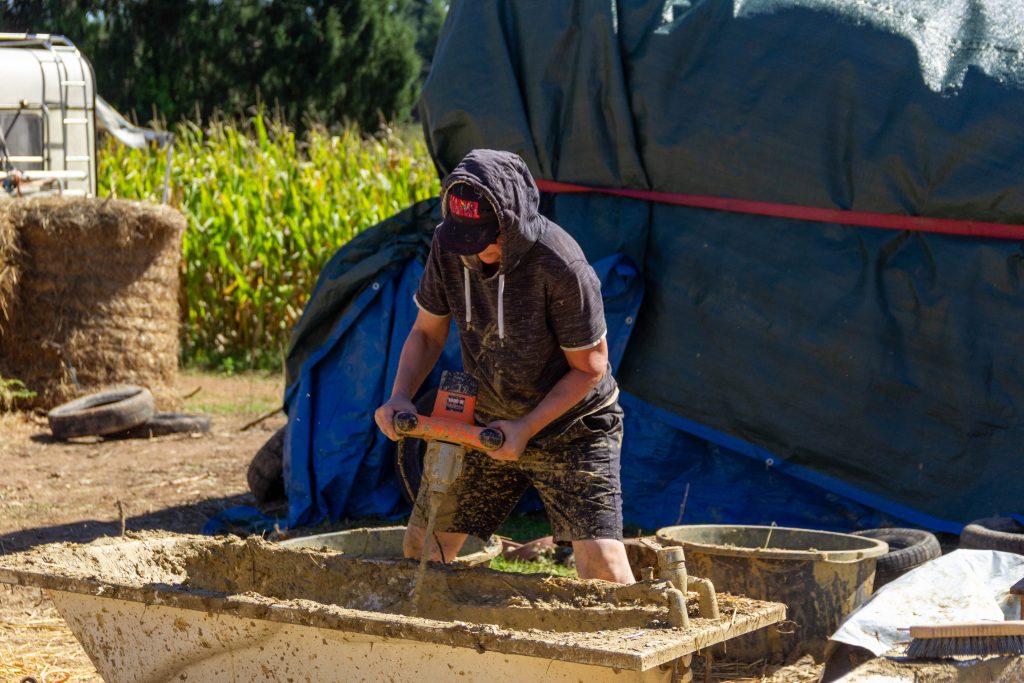
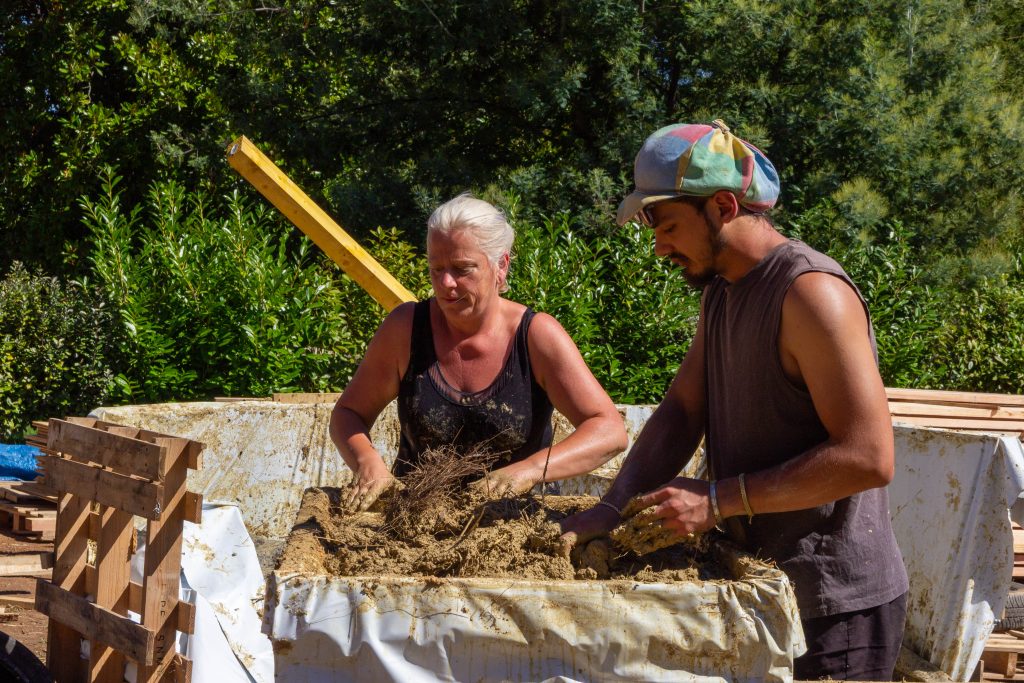
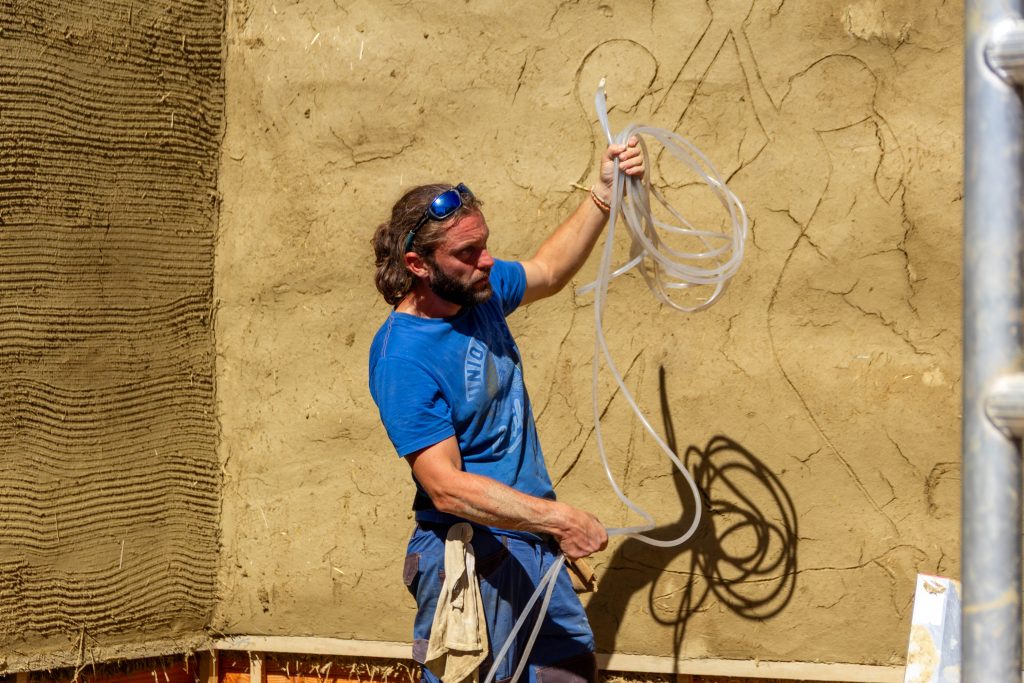
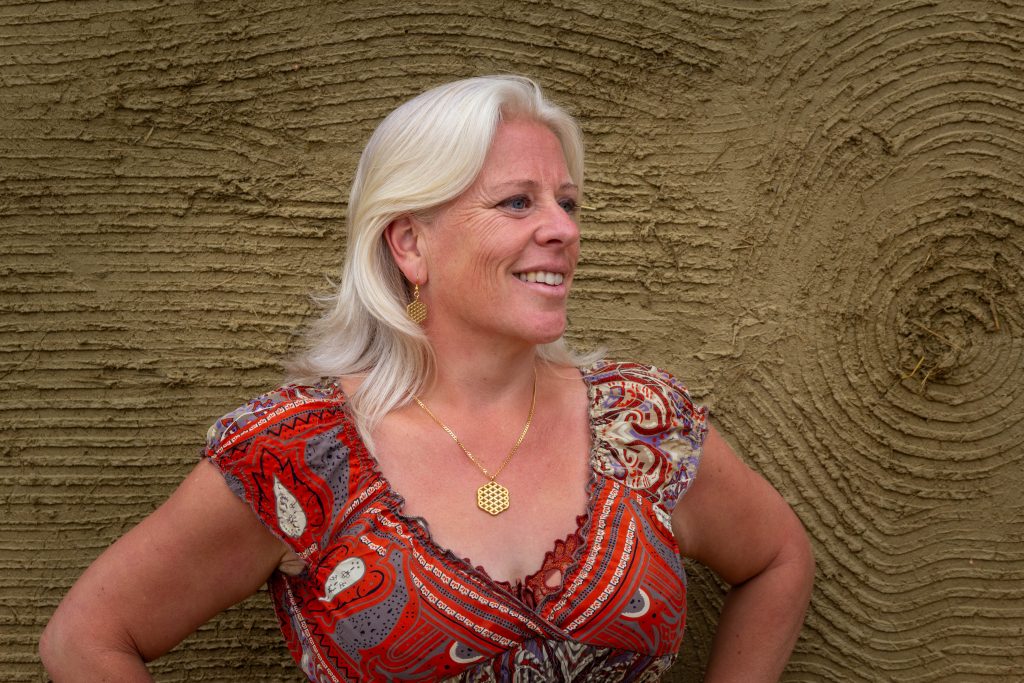
3. Clay Walls and Mixtures (08:48 – 09:37) Once the “gold” (straw) is in the walls, it’s time for the “earth.” Using a mixture of local clay, sand, and fiber, the team hand-applied the first layers of plaster. This isn’t just functional—it’s artistic. The clay regulates humidity and adds thermal mass to the building.
The Aesthetic of Natural Building: Straw, Clay, and Style
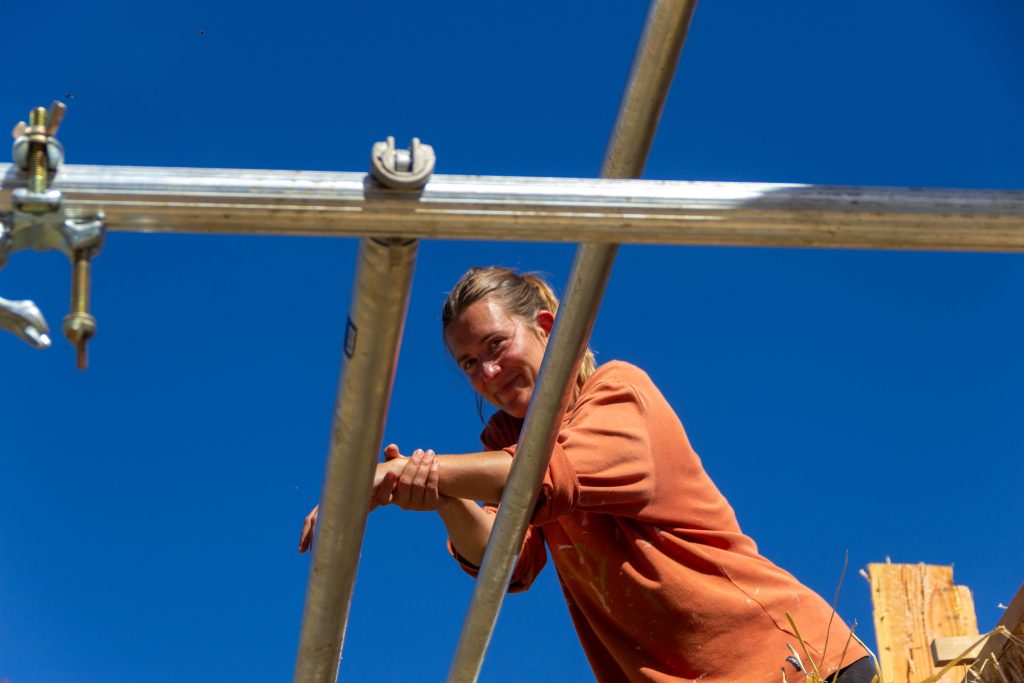
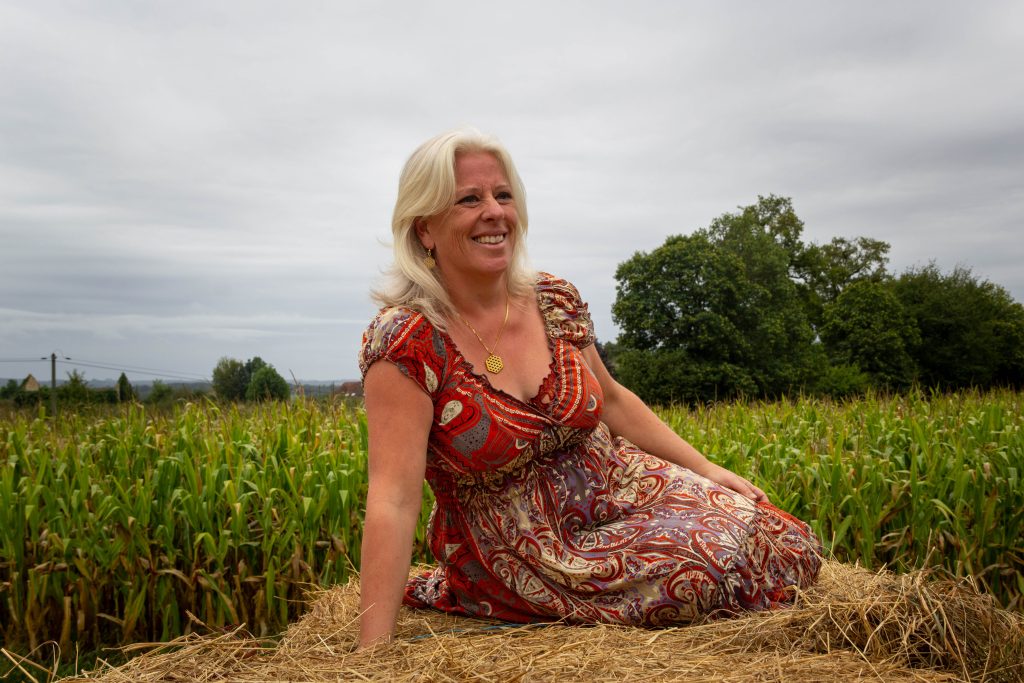
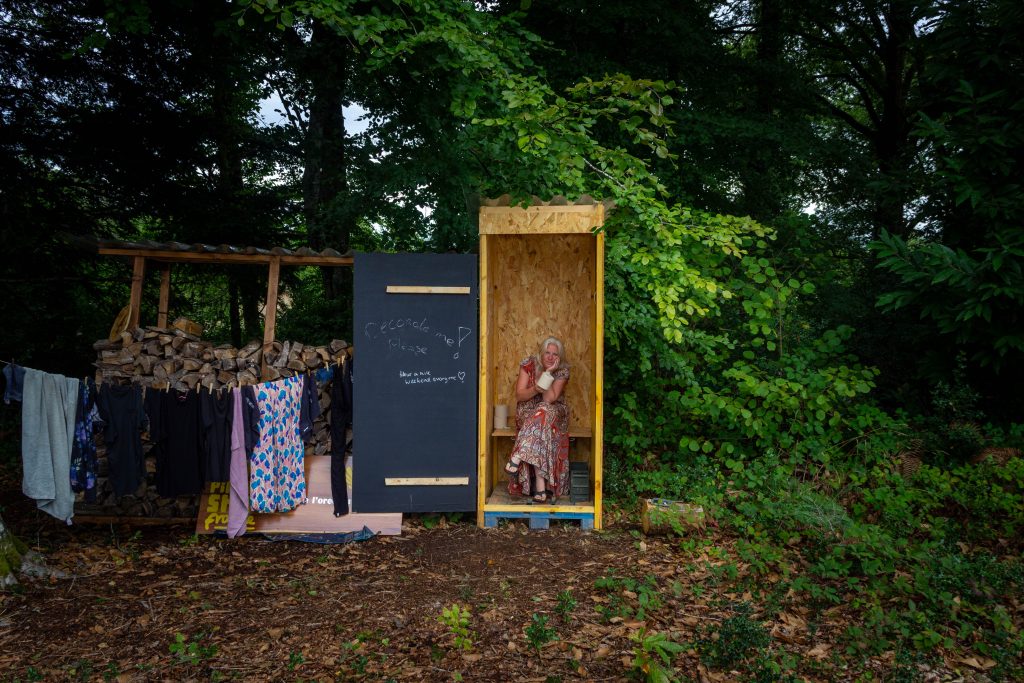
Natural building is usually associated with a “rustic” look, but we wanted to show the sophisticated side of the process. Even covered in clay and dust, the architecture of a straw bale house provides a backdrop that looks better than any studio. We took a break from the “French Dip” technique to capture the energy of the site—dirty hands, clean lines, and a house built in record time.